How to do a basic floor drain cleaning (and when to call a pro)
Learn how to do a basic floor drain cleaning to remove clogs and smells. Our guide shows you simple DIY steps and tells you when to call a pro.
By Main Plumbing Services · · 4 min read
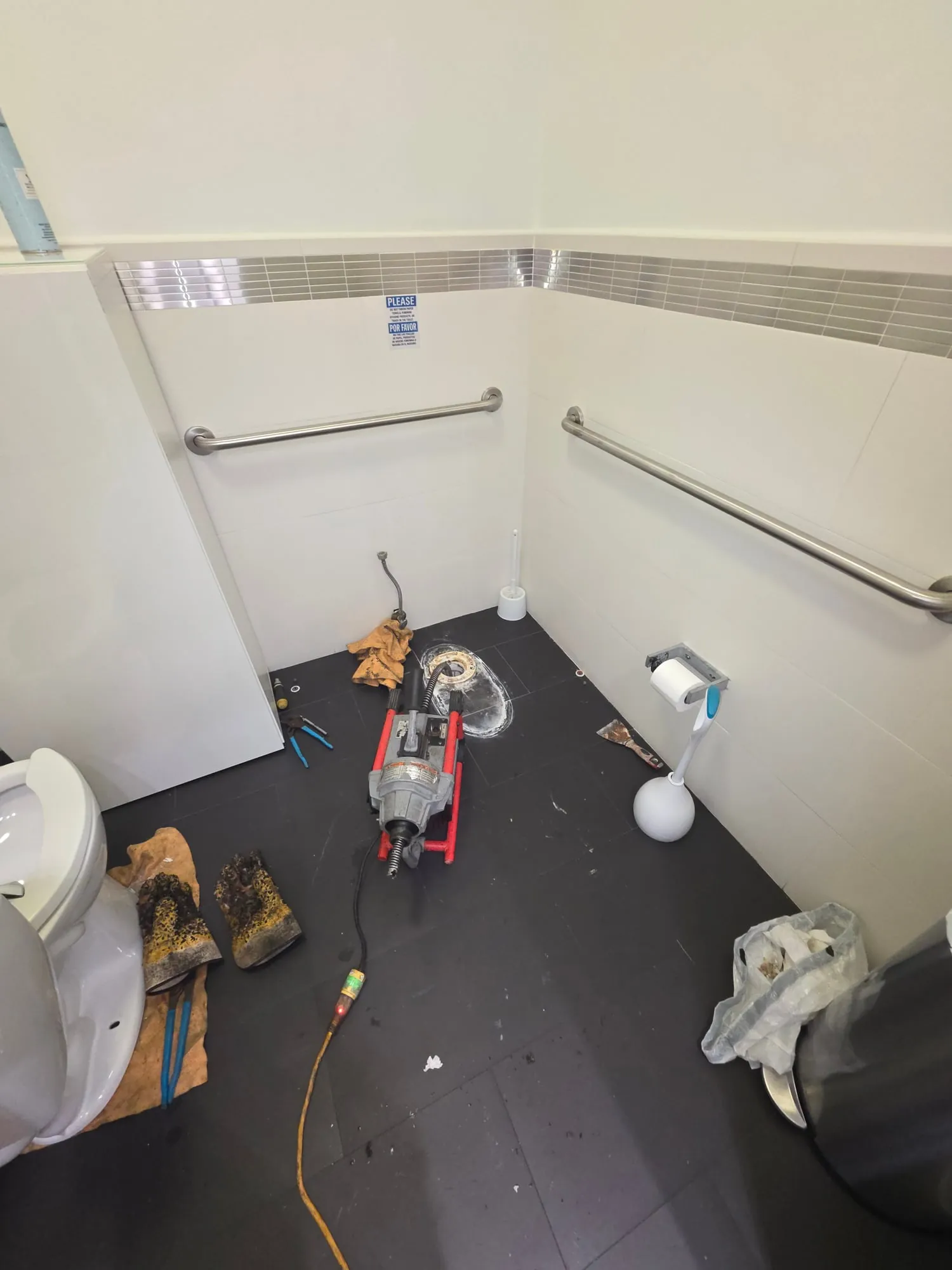
You’ve noticed it in the laundry room, garage, or utility space.
A puddle of standing water around the floor drain, or maybe just a foul smell that wasn’t there before. You’re wondering if you need to call someone, or if this is something you can handle yourself.
For many simple floor drain issues, you can.
I’ll walk you through the steps for a basic floor drain cleaning and, just as important, help you recognize when it’s time to stop and call a professional.
Should you DIY or hire a pro?
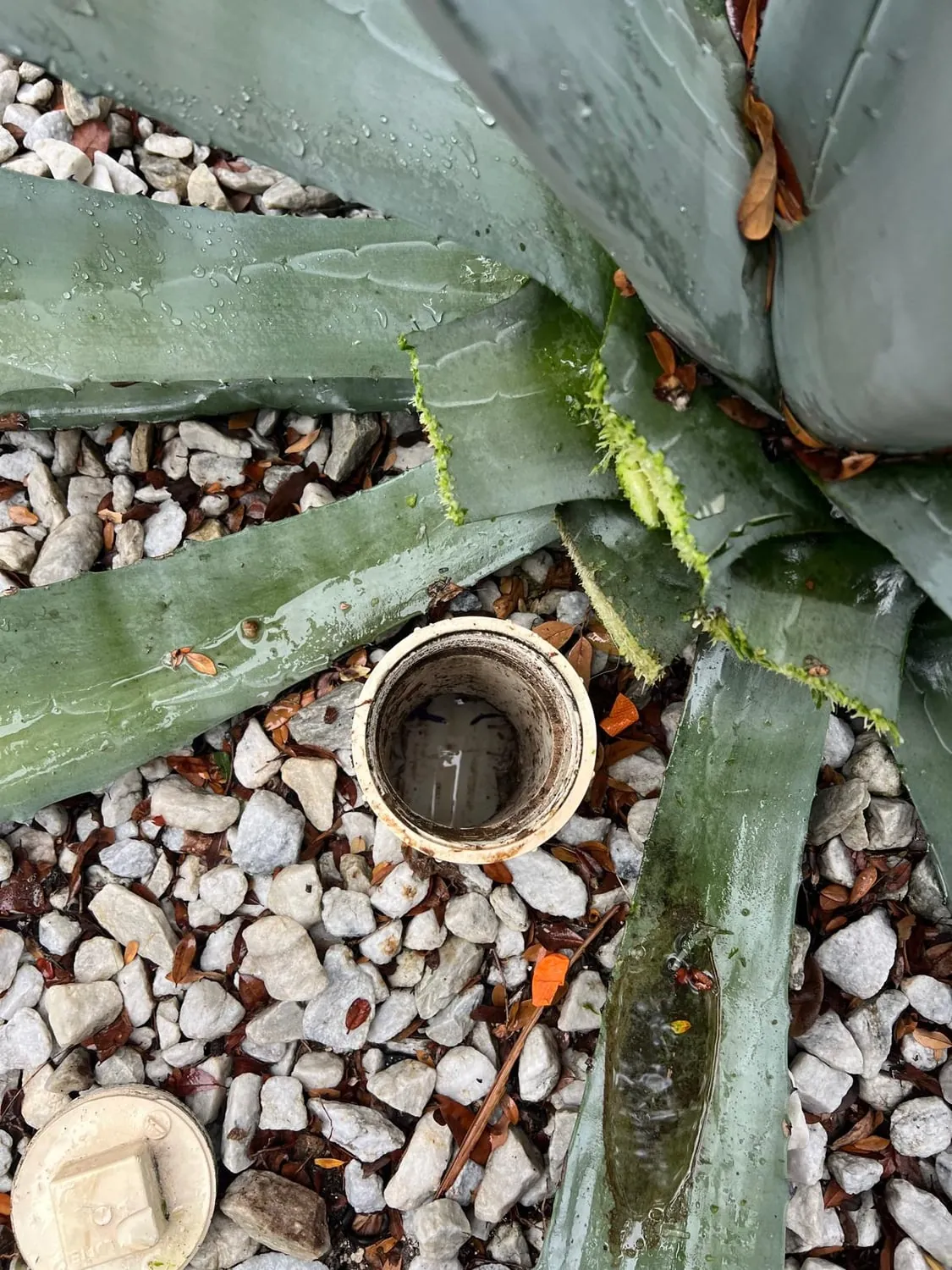
Most of the time, a single backed-up floor drain points to a clog right there in its own drain trap.
That’s usually a job you can tackle yourself with a few basic tools, and it’s a great place to start. (Well, presuming the clog is just in the trap).
The line for me is when the blockage seems to be further down the pipe, beyond what a small hand tool can reach. Trying to use bigger, rented equipment or opening up a main line cleanout plug can get complicated and messy fast, especially in older homes.
Tools you’ll need and what might be wrong
Let’s talk about that smell, because it might not be a clog at all.
Every drain has a P-trap, a U-shaped pipe designed to hold a small amount of water. This water acts as a seal, blocking sewer gas from coming up into your home.
If you don’t use the drain for a while, this water can evaporate, usually in two to four weeks. This is common for floor drains you don’t use much, and letting a smelly drain go is easy if you’re busy.
The fix is simple: run water down the drain for a few seconds to refill the trap.
If that doesn’t work and you do have a clog, here’s what you’ll need:
- A screwdriver to remove the drain cover
- A wet/dry shop vacuum
- A small hand snake, also called a drain auger
One thing I don’t recommend is liquid drain cleaner. I find it rarely works on these kinds of clogs, and the chemicals can sit in the pipe, potentially softening or corroding older pipe joints. A snake is a much better tool for the job.
How to clear the drain in 4 steps
Here are the steps I’d take to clear a simple floor drain clog.
- Remove the drain grate. You’ll probably need a screwdriver for this.
- Vacuum out the trap. Use your shop vac to suck out any standing water and loose gunk. You might be surprised what you find in there.
- Use the hand snake. Feed the end of the auger into the drain opening. Push it forward until you feel resistance, then turn the handle to work the cable through the P-trap. If you feel it break through a blockage, you’ve likely found it. Pull the snake back out, clearing any debris it brings with it. Huge success!
- Flush the drain. Run water down the drain until it flows freely, which also refills the P-trap.
What to do if the clog is still there
You’ve tried snaking the trap and the water is still backing up. This usually means the blockage is further down the line, beyond what a hand snake can reach.
This is my line in the sand. I don’t recommend renting a bigger power auger and trying to open a cleanout plug yourself. On an older system, these plugs can be corroded tight, and if you force it open, you could have a lot of backed-up wastewater suddenly spill onto your floor.
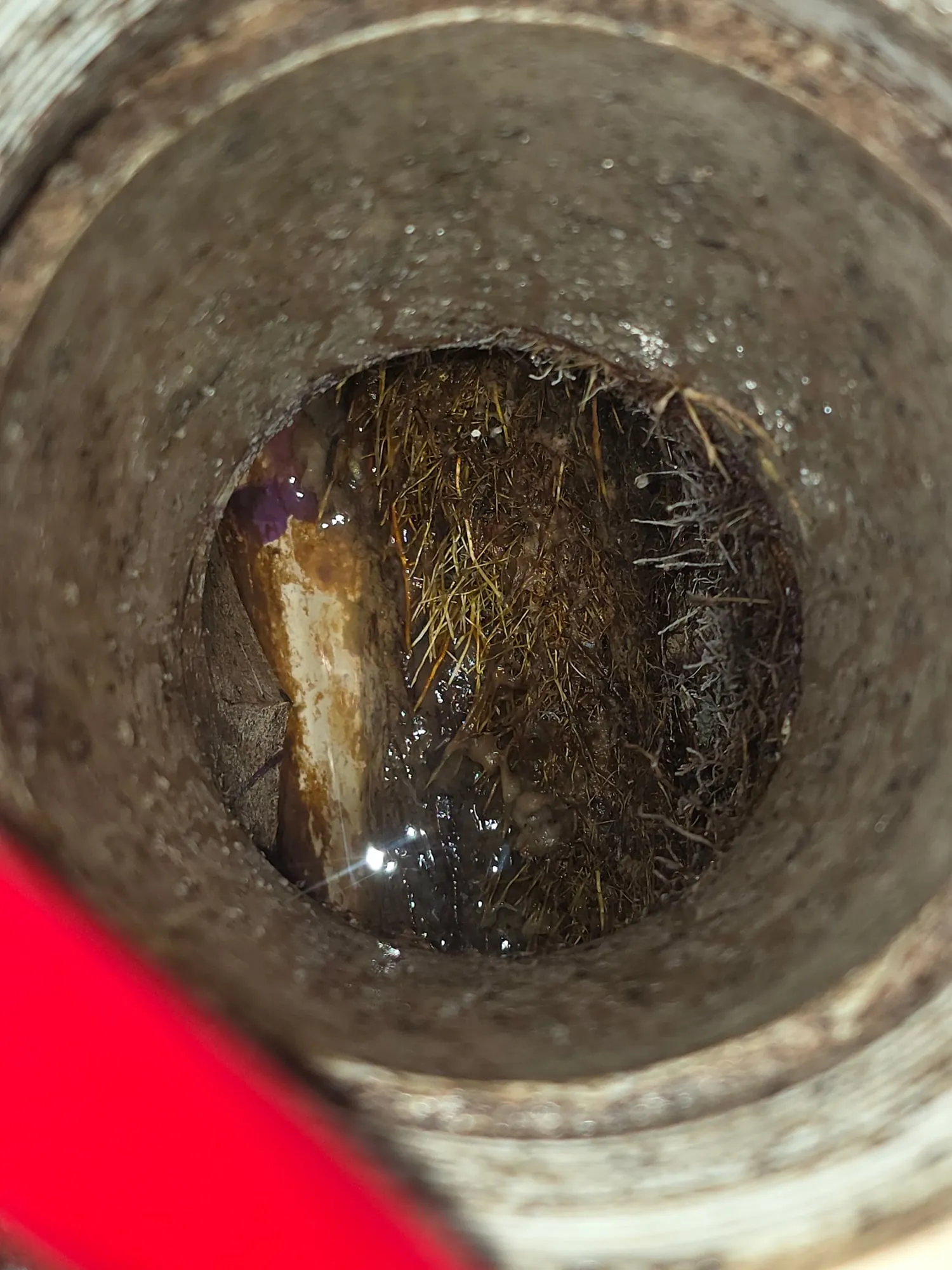
The age of your neighborhood is a huge factor here. For example, in older neighborhoods like Coral Gables, Miami Beach, or Hollywood, a home might still have its original cast iron drain lines. Over decades, these pipes corrode and the inside surface gets rough, making it easy for clogs to form and snag. In newer construction, like what you see in Doral or Aventura, this is much less of an issue.
If your hand snake isn’t cutting it or the clog keeps coming back, that’s the time to bring in Main Plumbing Services. A recurring clog in an older home can signal a bigger problem with the pipe itself, and our camera inspection service can show you exactly what’s going on down the line. You can learn more about our drain cleaning & drain repair services on our site.
When you’re stuck, we can help
Tackling a simple clog is a perfectly fine DIY project.
But knowing when to stop can save you from a huge mess. If you’ve hit a wall, don’t hesitate to reach out; our team is available around the clock.